A farming system that learns, adapts, and scales with local conditions.
Altitude band
1100–1600m
TeraiMid-hillsHigh hills
Focus
Soil-first
Outcome
Safe food
Mode
Low-cost
Soil health trend
Risk signals
Updated from field signalsv0.1
System Lens
Soil → Climate → Crop-fit
Field1.2k m
🗺️
Micro-fit
signals → decision
🌱
Soil-First
Protocols
Building Nepal’s future through low-cost nature rooted farming.
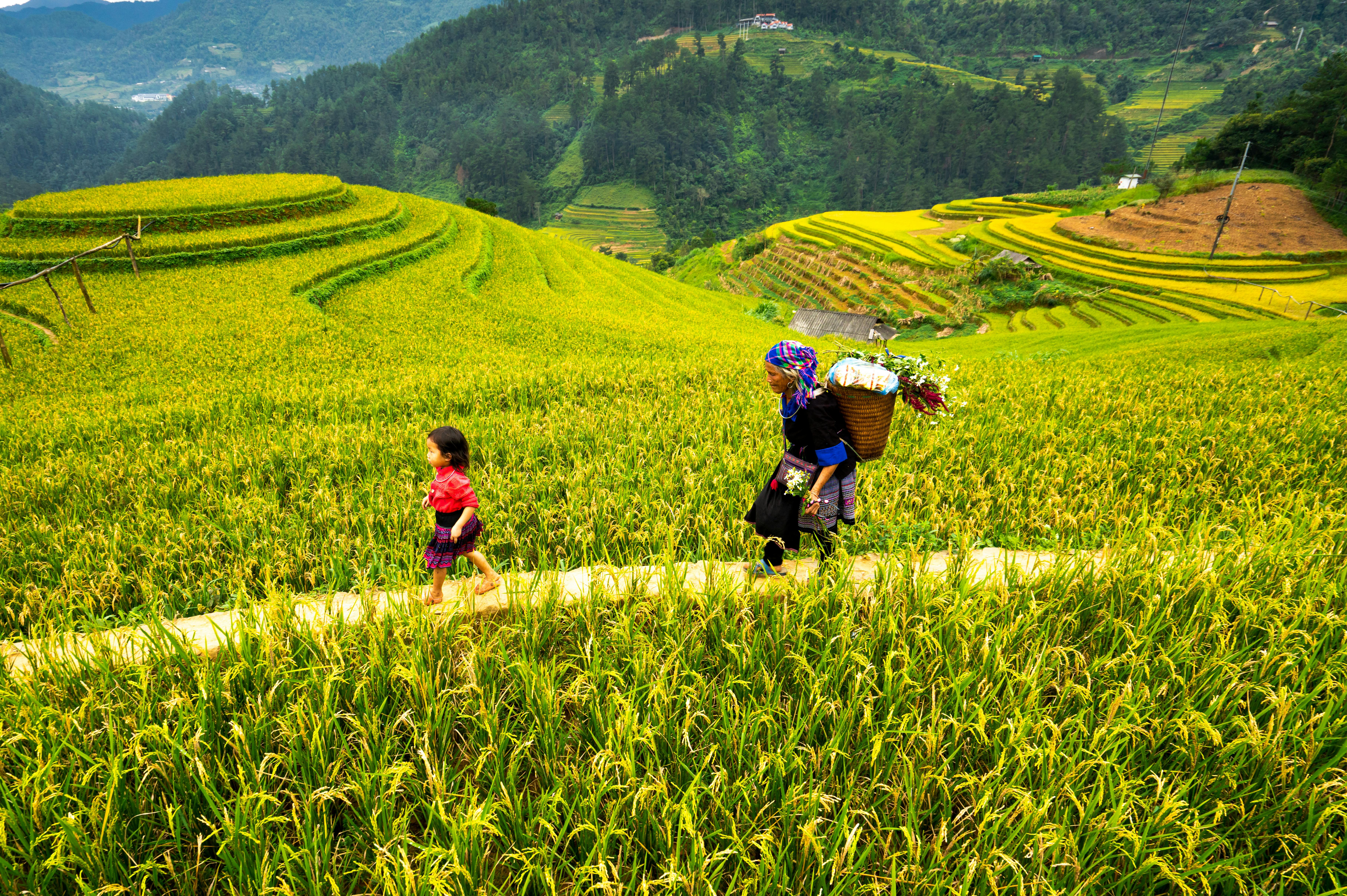
We begin by reading the land — its altitude, soil, water, and seasonal rhythm. Every decision is tested on the field and refined through observation, so each system grows from place, not prescription.
403
LOFAM
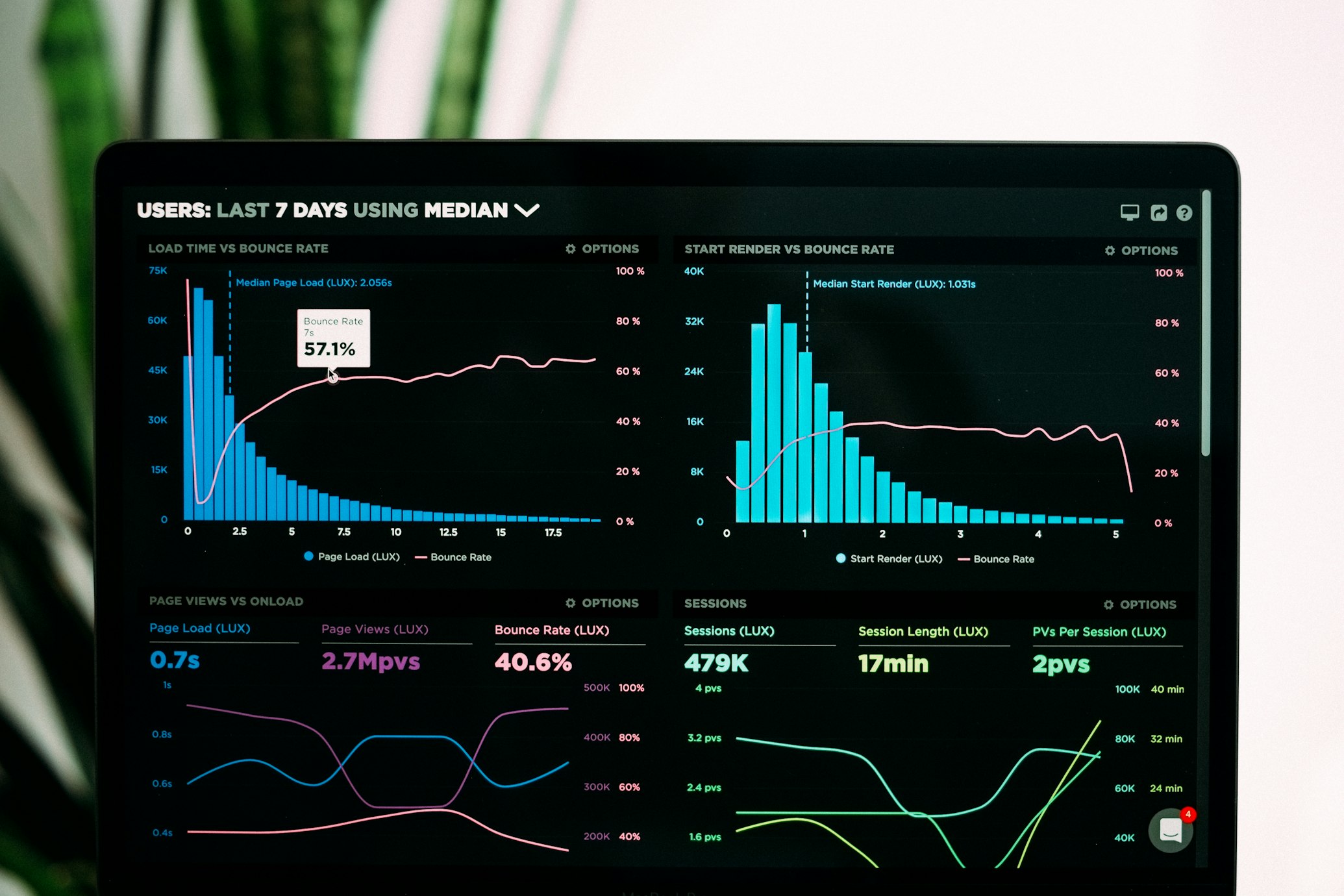
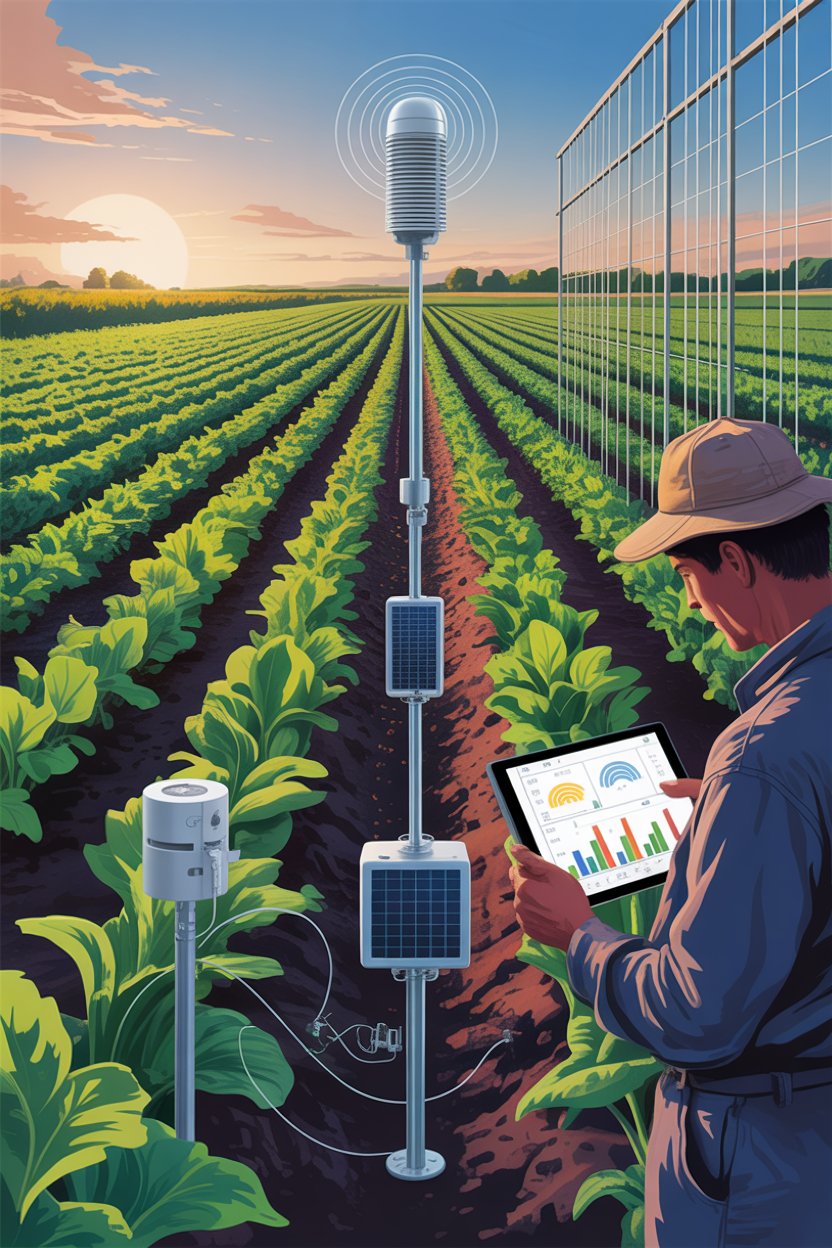
Every sensor installed is a step toward smarter, more sustainable farming. Natural helps farmers optimize resources, monitor crops in real-time, and boost yields using precision-driven insights.
Welcome to a new era of intelligent agriculture.
Precision Agriculture
Advanced sensor networks providing real-time field analytics and predictive insights.
Sustainable Resources
Optimized water, energy, and nutrient management for reduced environmental impact.
Intelligent Insights
AI-driven recommendations for yield optimization and crop health monitoring.
NATURAL
Our Operations
A Closed-Loop System where nothing goes to waste.
Integrated Waste-to-Input Model
INTEGRATED MODEL
Farm-Grown, Kitchen-Bound: The Complete Loop
We bridge the gap between core production and your kitchen, growing our own food and inputs to deliver a complete household solution.
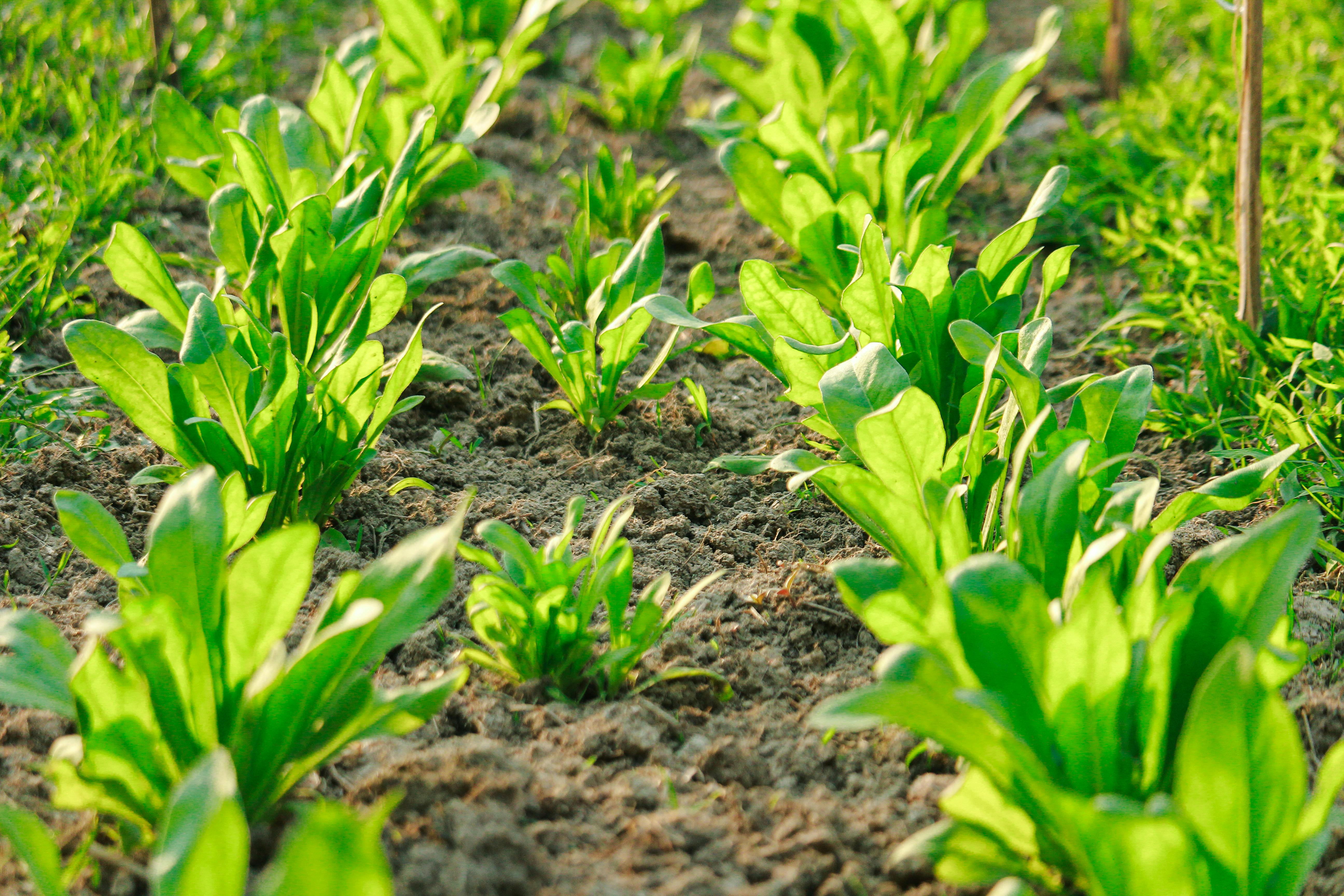
Core Crop Farming — Vegetables, leafy greens, and seasonal fruits grown using self-made compost and microbial inputs.
Our crop farming follows a closed-loop system where waste becomes input, eliminating chemical dependency and maximizing soil health through natural methods.
Self-made CompostZero ChemicalsSeasonal Harvest
"Livestock is not an extra business — it is a core part of the system."
Verification trail that buyers can trust (tests, traceability, proof).
LOFAM Module
Reading the Land
STAGE 01
Reading the Land
We map micro-climates from 1100m to 1600m altitude bands. This precision data allows us to select the exact crop-system for Nepal's specific terrain.
1100m-1600m Range
Soil Data mapping
Rainfall Analysis
STAGE 02
Fixing the Soil
Restoring organic carbon through nature-rooted protocols. We eliminate chemical dependency by reviving the microbial life within the earth.
Carbon Sequestration
Microbial Health
Zero-Chemical Input
STAGE 03
Safe Food
A traceable system that turns field data into community trust. Safe food is the verified outcome of our low-cost, nature-rooted farming model.
Traceable Source
Lab Verified
Direct-to-Market
Our Methodology
A farming system that learns from the land.
A single pipeline from measurement to remediation to verification — designed to be trusted by farmers, labs, and buyers.
Core Principle
Integrated Farming Systems
Nature-rooted, low-cost farming models focused on soil restoration and ecosystem balance.
Altitude Optimization
1100m — 1600m
Precision Farming by Elevation
Safe Food Vision
Research & Innovation
Field → Lab → Field loop
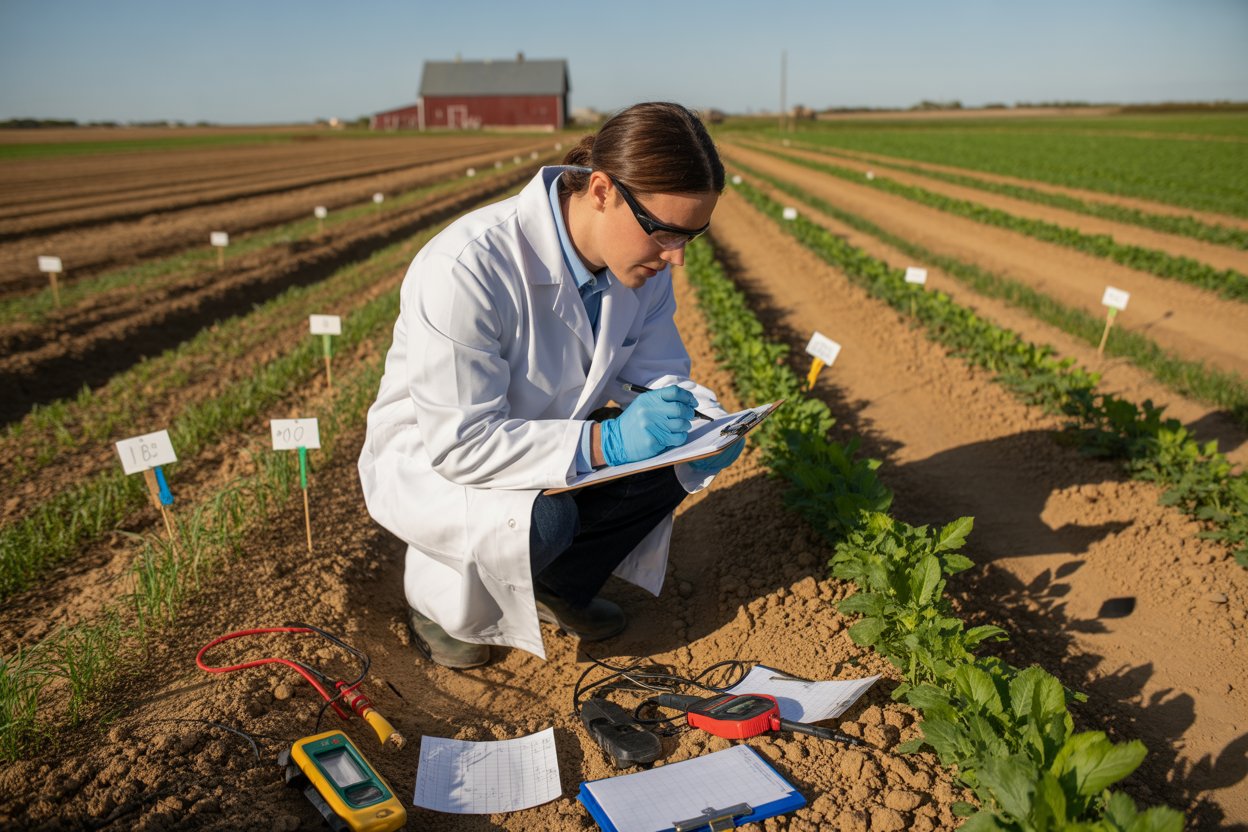
Continuous soil learning and adaptation through data-driven research.
Verified Impact
Safe Systems Deployed
100%
System Architecture
Five Pillars.
One Ecosystem.
An integrated approach combining altitude-aware farming, continuous research, and uncompromising safety standards — designed to scale without breaking the soil or trust.
Climate-Native
Soil-First
Research-Led
THE EARTH
A shared home. A measurable system.
01
Integrated System
Nature-rooted loops that rebuild soil and reduce dependency.
02
Altitude Optimization
Crops placed by micro-climate, not forced by shortcuts.
03
Research & Innovation
Field → lab → field learning to improve every cycle.
04
Safe Systems
Minimal external inputs, applied with accountability.
05
Safe Food Vision
Traceable outcomes buyers and communities can trust.
01
Integrated System
Nature-rooted loops that rebuild soil and reduce dependency.
02
Altitude Optimization
Crops placed by micro-climate, not forced by shortcuts.
03
Research & Innovation
Field → lab → field learning to improve every cycle.
04
Safe Systems
Minimal external inputs, applied with accountability.
05
Safe Food Vision
Traceable outcomes buyers and communities can trust.
INNOVATING THE FUTURE OF AGRICULTURE
LOFAM blends micro-climate insights and soil health research to build low-cost farming systems that scale responsibly — without compromising food safety.
0
%
Soil-safe focus
Built around soil health, low chemical exposure, and safe inputs.
0
+
Active Protocols
Micro-plot trials and farmer feedback shaping practical standards.
0
Safe food vision
A traceable process — from soil to harvest — that communities trust.
TECHNOLOGY IMPACT
Smart solutions for agricultural growth
Sustainable farming empowerment.
Soil tests & samples.
Micro-climate bands mapped.
Supporting partner communities.
Sustainable farming empowerment.
0+
Soil tests & samples.
0+
Micro-climate bands mapped.
0
Supporting partner communities.
0
GLOBAL CONNECTIONS
LOFAM builds low-cost, micro-climate farming systems through local partners — starting in Nepal, designed to scale to similar terrains.
These numbers represent verified pilots and research outputs. We keep them honest — credibility wins more than hype.
Meet The Founder
The visionary behind our agricultural revolution
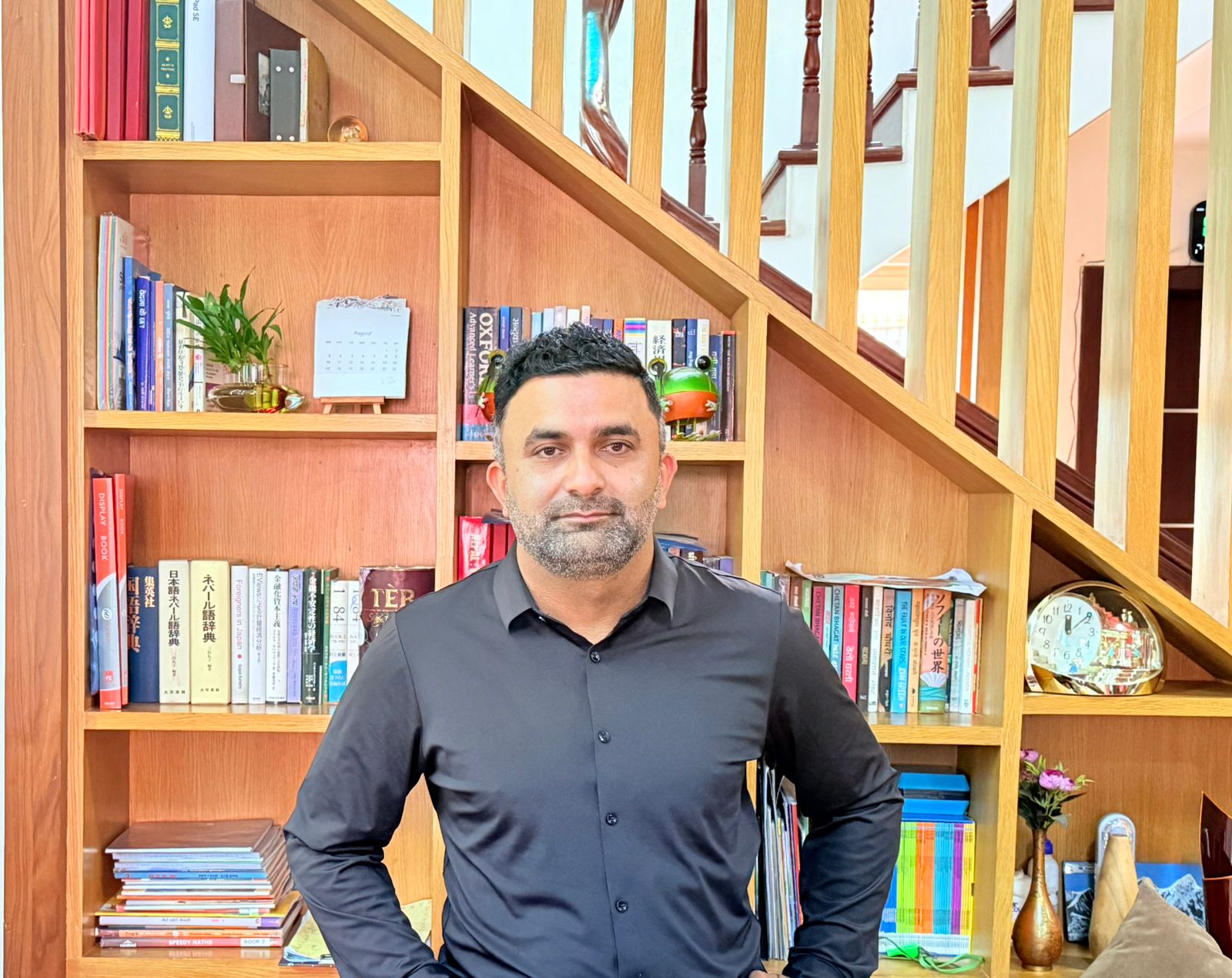
Sandip Adhikari
Founder & CEO
Turning Nepal’s micro‑climates into an advantage. LOFAM is built to prove safe, nutrient‑dense food can be scalable and sustainable.
LOFAM emerged from a recognition that the global food crisis is not only about quantity, but about quality, safety, and integrity of production systems. Food cannot be considered safe merely because it is available or profitable. Truly safe food—nutrient-dense, clean, and reliable—can only come from farming systems that are scientifically grounded and deeply respectful of natural processes. When soil biology is damaged, inputs are misused, or systems ignore local ecology, food loses both its nutritional value and its social trust.
Built in Nepal, a country defined by extraordinary micro-climatic diversity, LOFAM challenges uniform, input-heavy agricultural models by operating as a micro-climate farming ecosystem. Food production, livestock integration, and input creation function together as one system. Nutrients are generated from nature, microbes are central to soil health, and only the minimum necessary external inputs are applied with precision and accountability. Crops are grown where they naturally thrive, not forced by chemicals or shortcuts. This disciplined, science-respecting approach is essential—not optional—if safe, nutrient-rich food is to be produced consistently.
LOFAM stands as a living laboratory for sustainable, searchable, and replicable farming systems—where safety, nutrition, resilience, and economic logic coexist. It is designed to demonstrate that food security cannot be achieved by exploiting nature, nor by abandoning scientific rigor, but by aligning both. For Nepal, this represents a pathway toward dignified, modern farming rooted in local intelligence. For the global community, it offers a reference point: that the future of food depends on systems that respect soil, climate, and human health as one indivisible responsibility.
LOFAM began with a simple belief: food isn’t truly safe just because it’s available or profitable. Safe, nutrient-dense food only comes from systems that respect soil biology, local ecology, and scientific rigor. Built in Nepal’s micro-climatic diversity, LOFAM operates as an integrated ecosystem—precision inputs, microbial soil health, and crops grown where they naturally thrive.
LOFAM emerged from a recognition that the global food crisis is not only about quantity, but about quality, safety, and integrity of production systems. Food cannot be considered safe merely because it is available or profitable. Truly safe food—nutrient-dense, clean, and reliable—can only come from farming systems that are scientifically grounded and deeply respectful of natural processes. When soil biology is damaged, inputs are misused, or systems ignore local ecology, food loses both its nutritional value and its social trust.
Built in Nepal, a country defined by extraordinary micro-climatic diversity, LOFAM challenges uniform, input-heavy agricultural models by operating as a micro-climate farming ecosystem. Food production, livestock integration, and input creation function together as one system. Nutrients are generated from nature, microbes are central to soil health, and only the minimum necessary external inputs are applied with precision and accountability. Crops are grown where they naturally thrive, not forced by chemicals or shortcuts. This disciplined, science-respecting approach is essential—not optional—if safe, nutrient-rich food is to be produced consistently.
LOFAM stands as a living laboratory for sustainable, searchable, and replicable farming systems—where safety, nutrition, resilience, and economic logic coexist. It is designed to demonstrate that food security cannot be achieved by exploiting nature, nor by abandoning scientific rigor, but by aligning both. For Nepal, this represents a pathway toward dignified, modern farming rooted in local intelligence. For the global community, it offers a reference point: that the future of food depends on systems that respect soil, climate, and human health as one indivisible responsibility.
— Sandip Adhikari
Founder & CEO, LOFAM Agri Lab Pvt. Ltd.
talk to LOFAM
Build the model together.
Farmers, partners, and researchers — share your micro-climate and constraints. We’ll reply with a practical next step.